Best Warehouse Storage System Design Ideas for Optimal Efficiency?

Time:2026-07-19 Author:Liam
0%

In today's fast-paced economy, an efficient warehouse storage system is crucial for success. Businesses strive for optimal space utilization and streamlined operations. Warehouse Storage System Design Ideas play a significant role in achieving these goals. A well-planned system enhances workflow and reduces costs.

Many factors influence storage system design. The type of products stored, available space, and order fulfillment processes must align. Effective designs enhance accessibility and minimize wait times. Some common approaches include vertical storage, modular shelving, and pallet racking. Each option presents unique advantages and challenges.

Despite advancements, many warehouse systems still face inefficiencies. Poor layout planning can lead to wasted space. Inadequate training may result in improper use of equipment. Companies must continually assess their designs. Reflecting on performance helps identify areas for improvement. An effective warehouse storage system is not a one-time project; it's an ongoing commitment to efficiency and adaptability.
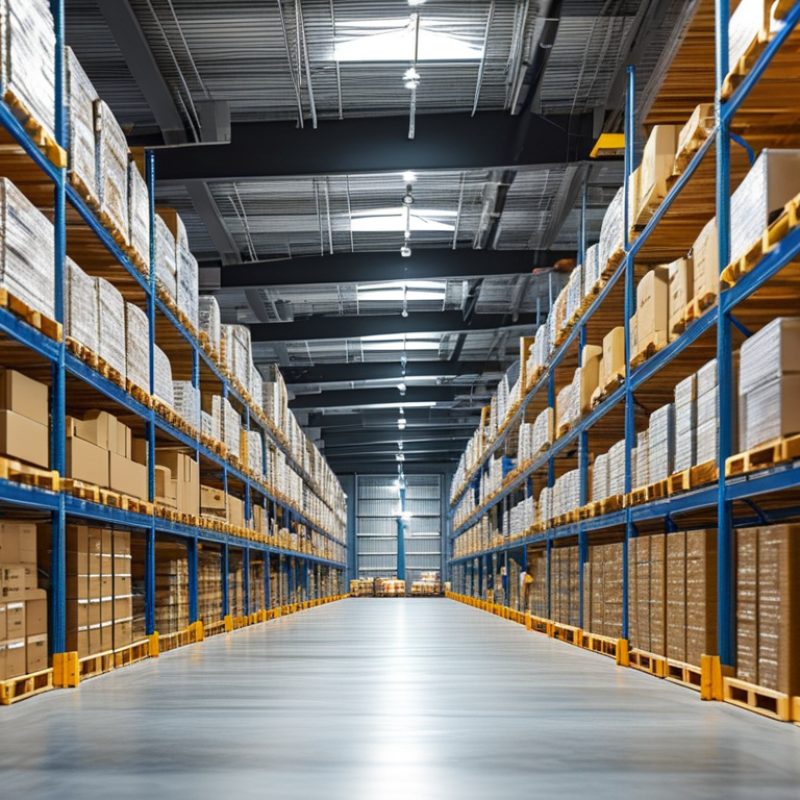
Best Warehouse Storage System Design Ideas for Optimal Efficiency?

Innovative Layout Strategies for Warehouse Storage Efficiency

When designing a warehouse storage system, layout strategies play a crucial role in enhancing efficiency. A well-thought-out layout can significantly impact workflow and inventory management. Implementing a flow-based design encourages better movement of goods. This minimizes bottlenecks and reduces travel time for workers.

Incorporating vertical storage options can optimize space. Instead of spreading out inventory, stacking items can free up valuable floor space. This approach can be both efficient and cost-effective. However, one must also consider accessibility. Workers need to retrieve items quickly without risking safety. An imbalance of vertical storage can lead to accidents.

Continuous assessment is vital. Regularly reviewing the workflow can identify areas for improvement. Adaptations might be necessary as inventory needs evolve. Sometimes, changes are not immediately obvious until they disrupt operations. Listening to employee feedback can provide valuable insights for refining the layout. Creating a responsive environment will drive long-term efficiency.

Selecting the Right Storage Systems: Options and Considerations

When selecting the right warehouse storage systems, a few key considerations come into play. The type of goods stored is crucial. For example, bulk items may need pallet racks, while smaller products may benefit from shelving systems. Assessing the space available is equally important. Understanding vertical space can maximize storage capacity.

Tips for efficient design include using adjustable shelving. This flexibility allows easy accommodation of changing inventory sizes. Additionally, consider implementing a labeling system for quicker access. Clear labeling improves efficiency and reduces retrieval times.

Another aspect to ponder is the flow of goods. A well-planned layout ensures smooth operations. For instance, placing frequently accessed items near shipping areas saves time. However, balancing space utilization with operational efficiency can be challenging. Regularly assess the system’s effectiveness. Adjust layouts as needed to optimize space and workflow continuously.

Best Warehouse Storage System Design Ideas for Optimal Efficiency

Storage System Type Description Key Features Best For
Selective Pallet Racking A racking system that allows easy access to individual pallets. High accessibility, versatile design, cost-effective. Warehouses with high SKU counts.
Double Deep Racking A system that allows two pallets to be stored back-to-back. Increased storage capacity, reduced aisles. Large volume shipments and low SKU counts.
Drive-In Racking A high-density racking system where forklifts can drive into the racking structure. Space-efficient, high storage density. Products with a limited variety and high turnover.
Push-Back Racking Dynamic storage solution that uses carts on inclined rails. High-density storage, first-in-last-out (FILO) handling. Medium SKU variety with high-demand items.
Vertical Lift Module (VLM) Automated storage system that utilizes vertical space for storage. Maximizes space efficiency, reduces labor costs. Operations with high-density item storage needs.

Maximizing Vertical Space: Racking and Shelving Solutions

Maximizing vertical space in warehouses is essential for maintaining optimal efficiency. Implementing effective racking and shelving solutions can significantly increase storage capacity. Utilizing adjustable shelving units allows you to customize space according to your inventory needs. This flexibility aids in accommodating various product sizes. Choose a design that fosters easy access to items. Employees should be able to retrieve products swiftly.

Tips: Use color-coded labels for quick identification. This strategy reduces retrieval time. Ensure aisles are wide enough for equipment but not too wide to waste space.

Consider the height of your storage units. Taller racks can maximize vertical space but require safety measures. Install safety straps or nets to prevent falls. Evaluate your inventory turnover rates to see if the higher shelves are practical. Reflect on the potential risks of using less accessible storage for fast-moving items.

Tips: Regularly assess your layout. This process helps identify inefficiencies. Document how items are stored and retrieved. Aim to find the balance between height and accessibility for seamless operations.

Implementing Technology: Automation in Warehouse Design

Incorporating automation into warehouse design can significantly enhance efficiency. Automation systems, like conveyor belts and robotic pickers, streamline order fulfillment. They reduce human error and speed up processes. This technology can adjust to varying inventory levels, providing a dynamic approach to storage.

Tips for automation:

1. Assess your workflow. Identify areas where automation can make the biggest impact.
2. Select technologies that integrate seamlessly with your existing systems. Compatibility is crucial for efficiency.
3. Train your staff. Proper training ensures that everyone can effectively use new technologies.

While automation promises efficiency, it's essential to recognize potential downsides. High initial investments can be daunting. Constant maintenance is necessary to avoid disruptions. Employees may feel uncertain about job security in increasingly automated environments. Being transparent about these changes can foster a positive transition. Balancing technology with a human touch may enhance overall performance.

Enhancing Workflow: Designing for Safe and Efficient Operations

Designing warehouse storage systems requires a focus on efficiency and safety. The layout should promote smooth workflows. For example, wide aisles can facilitate faster movement of staff and equipment. This strategy reduces bottlenecks during busy hours. However, inadequate signage can lead to confusion. Workers may waste time searching for items without clear directions.

Safety measures are equally important in the design process. Properly placed shelving can minimize the risk of accidents. Labeling storage areas ensures quick access to goods. Yet, often overlooked is the importance of training staff on proper lifting techniques. This can prevent injuries and enhance operational flow.

Regular assessments of the storage system are necessary. Inefficiencies can creep in over time. For instance, as inventory changes, the layout may require adjustments. Gathering feedback from staff can reveal hidden challenges. This engagement fosters a culture of continuous improvement. A well-designed system promotes both productivity and safety. But it takes commitment to adapt and innovate.

Warehouse Storage System Efficiency

FAQS

: What factors are important when selecting a warehouse storage system?

: Consider the type of goods stored and available space. Each product may require different storage solutions.

How can I maximize storage capacity in my warehouse?

Utilize vertical space effectively with adjustable shelving. This allows customization based on inventory needs.

What is a good strategy for labeling inventory?

Implement a clear labeling system, like color-coded labels, for quicker identification. This improves efficiency significantly.

How should goods flow in a warehouse?

Plan a layout that places frequently accessed items near shipping areas. This saves time and enhances operations.

What safety measures should I consider for tall storage racks?

Install safety straps or nets on taller racks. This helps prevent falls and ensures employee safety.

Why is it important to regularly assess my storage layout?

Regular assessments identify inefficiencies and ensure optimal space utilization. Adjustments may be necessary for continuous improvement.

What benefits does automation bring to warehouse design?

Automation streamlines order fulfillment, reduces human error, and adapts to inventory changes. It boosts overall efficiency.

What are some potential downsides of implementing automation?

High initial costs and maintenance can be challenging. Employees may also have concerns about job security.

How can I ensure staff adapts well to new automation technologies?

Provide thorough training for staff to use new technologies effectively. Clear communication can ease any uncertainties.

What balance should I strike between technology and human touch?

Combining technology with personal interaction can enhance performance. Reflect on your unique warehouse dynamics and needs.

Conclusion

The article "Best Warehouse Storage System Design Ideas for Optimal Efficiency" explores various innovative strategies to enhance warehouse operations. It begins with layout optimization, emphasizing how different configurations can significantly impact storage efficiency. The selection of appropriate storage systems is crucial, considering factors like weight capacity, accessibility, and inventory type.

Maximizing vertical space through effective racking and shelving solutions is highlighted as a powerful way to increase storage density. Furthermore, the integration of technology, particularly automation, is discussed as a means to streamline processes and reduce manual labor. Finally, the article addresses the importance of designing workflows that prioritize both safety and efficiency, ensuring that the warehouse operates smoothly. Overall, these Warehouse Storage System Design Ideas provide actionable insights for achieving optimal efficiency in warehouse management.

Liam

Liam

Liam is a dedicated marketing professional with a profound expertise in the industry, where he excels at highlighting the unique advantages of our core products. With a keen understanding of market trends and consumer needs, Liam frequently updates our company’s professional blog, providing......